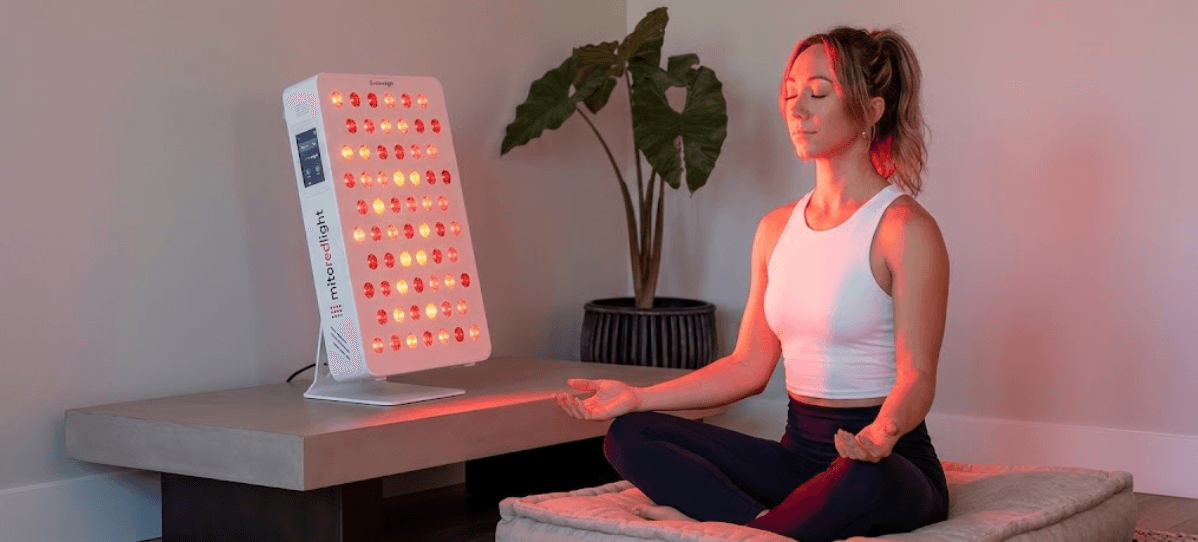
Choosing a red light therapy light can feel overwhelming because devices offer different wavelengths, power levels, and coverage areas. However, understanding photobiomodulation helps you compare products and make informed decisions. Consider your goals, budget, comfort, and available space before purchasing. Additionally, explore Mito Red Light when comparing home-use devices and evaluating suitable red light therapy solutions.
Common Problems When Choosing Red Light Therapy
Different specifications and marketing claims can complicate product comparisons. Therefore, understand these common challenges before investing in equipment.
Confusing Wavelengths and Specifications
Devices use red light, near-infrared light, or both. These wavelengths interact differently with biological tissues. However, additional wavelengths do not automatically guarantee better results. Compare specifications and research relevant to your intended application.
Choosing the Wrong Treatment Area
Compact devices target smaller areas, while larger panels provide broader coverage. Therefore, consider your treatment area, available space, and intended use. This approach helps you avoid unnecessary expenses.
Expecting Immediate Results
Red light therapy has several potential wellness applications. However, results vary by condition, device, treatment protocol, and individual response. Set realistic expectations and review relevant clinical evidence before starting treatment.
What Is Photobiomodulation, and How Does It Work?
Photobiomodulation describes how specific light wavelengths interact with biological tissues. Researchers investigate its potential effects across various therapeutic applications.Red light uses visible wavelengths, while near-infrared light extends beyond visible red. Researchers study how these wavelengths influence cellular signaling and biological processes.
Mitochondria help cells produce energy, making them an important research focus. However, scientists continue investigating these mechanisms and their clinical significance. Evidence supporting one application does not automatically establish benefits elsewhere.Therefore, consider your goals, available research, and device specifications carefully. Maintain realistic expectations when exploring photobiomodulation.
Practical Tips for Choosing the Right Red Light Therapy Light
Check the Wavelength Specifications
Many devices use red light wavelengths around 630–660 nanometers. Meanwhile, near-infrared devices commonly operate around 810–850 nanometers.These ranges provide useful starting points when comparing products. However, choose wavelengths according to your intended application and supporting evidence.
Compare Irradiance and Treatment Distance
Irradiance measures optical power reaching a surface per unit area. Manufacturers typically express irradiance in milliwatts per square centimeter.However, higher irradiance does not automatically guarantee better results. Measurement distance, device design, exposure duration, and treatment protocols also matter. Therefore, review measurement methods and manufacturer recommendations carefully.
Consider Panel Size and Coverage
Choose a device that accommodates your intended treatment area. Smaller devices suit targeted applications, while larger panels cover broader areas.However, larger panels require more space and suitable placement. Therefore, measure your available area before purchasing. Additionally, consider portability, mounting options, and ease of use.
Review Safety and Manufacturer Guidance
Follow manufacturer instructions for positioning, session duration, and treatment frequency. Avoid assuming longer sessions produce better results.Protect your eyes according to the manufacturer's safety guidance. Additionally, consult a healthcare professional about medical conditions or photosensitizing medications. Never replace established medical care with red light therapy.
Why Consider Mito Red Light for Home Photobiomodulation?
Mito Red Light offers home-use red and near-infrared light therapy products worth researching. However, compare individual models rather than relying on branding alone.Review wavelengths, irradiance measurements, panel dimensions, and recommended treatment distances. Additionally, examine product instructions, warranty terms, and mounting options.Different models may offer varying coverage areas and technical specifications. Therefore, select equipment according to your intended application, available space, and budget.
Benefits of Choosing a Suitable Red Light Therapy Device
Greater Convenience and Consistency
A suitable home device may reduce travel for individual sessions. Additionally, convenient placement can support a consistent routine. Choose equipment that fits your space and offers straightforward setup.
Better-Informed Purchasing Decisions
Understanding wavelengths, irradiance, and treatment coverage helps you compare products objectively. Furthermore, scientific research helps you establish realistic expectations. Consequently, you can evaluate specifications instead of relying solely on promotional claims.
More Appropriate Feature Selection
Premium devices may offer larger panels, adjustable settings, and convenient mounting
systems.These features improve usability when they match your needs. However, higher prices do not automatically guarantee better clinical outcomes. Compare specifications and supporting evidence before spending extra money.
Conclusion: Make a Smarter Red Light Therapy Choice
Choosing a red light therapy light starts with understanding your goals and comparing reliable specifications. Review wavelengths, irradiance, treatment coverage, safety instructions, and manufacturer support before purchasing.Photobiomodulation remains an active research area, so evaluate health claims carefully. Additionally, maintain realistic expectations and follow appropriate professional guidance.Explore Mito Red Light alongside comparable options when researching home-use equipment. Compare individual models and choose a device that suits your needs, space, and budget.Ultimately, informed decisions combine scientific evidence, practical features, and safe usage.