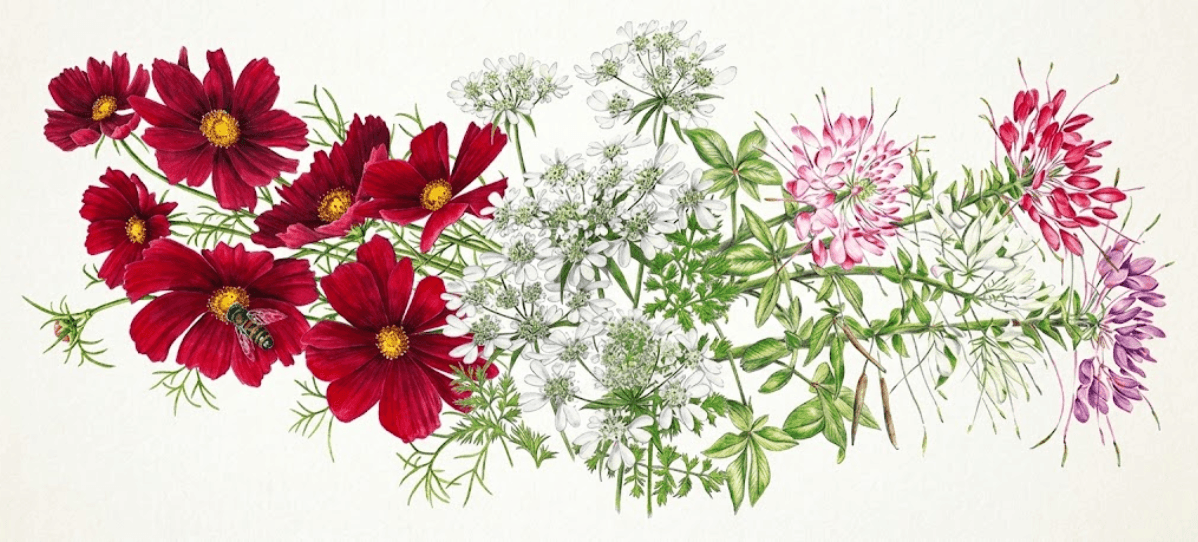
Creating a beautiful garden requires suitable plants and thoughtful planning. However, poor soil, limited sunlight, and overcrowding can affect growth. Therefore, combine colorful flowers, productive vegetables, and attractive trees.
Explore purple flowers, kale companion plants, and Florida palms for inspiration. Additionally, Epic Gardening offers helpful resources for improving everyday gardening practices.
Why Do Gardeners Struggle with Plant Selection?
Choosing suitable plants requires understanding their growing conditions. Every variety needs appropriate sunlight, watering, spacing, and soil.
Common gardening challenges include:
Limited Garden Space: Overcrowding restricts healthy plant growth.
Poor Plant Combinations: Incompatible plants compete for nutrients.
Unattractive Landscaping: Poor color combinations reduce visual appeal.
Weak Vegetable Growth: Incorrect companion planting affects productivity.
Unsuitable Trees: Ignoring local climates increases maintenance requirements.
Fortunately, understanding plant compatibility simplifies garden planning.
Stunning Purple Flowers for Beautiful Garden Designs
Purple flowers add elegance, depth, and visual interest to gardens. Additionally, they complement green foliage and other flowering varieties. Explore purple flower names and pictures to compare colors and growing requirements.
Popular Purple Flowers for Home Gardens
Consider these attractive flowering varieties:
Lavender: Produces fragrant blooms and attracts pollinators.
Purple Salvia: Adds upright flower spikes and attracts beneficial insects.
Purple Coneflower: Creates beautiful blooms and attracts butterflies.
Purple Petunias: Brighten containers and garden beds.
Alliums: Produce distinctive spherical flower heads.
Verbena: Creates colorful clusters across spreading plants.
These varieties suit different landscaping styles and garden spaces.
How to Choose the Right Purple Flowers
First, evaluate your garden's sunlight exposure. Lavender and salvia generally prefer sunny locations. Meanwhile, some petunias tolerate partial shade.Next, check soil drainage and watering requirements.
Avoid combining varieties with significantly different moisture needs. Finally, consider flowering seasons and mature plant sizes. This approach creates longer-lasting garden color.
Choose the Best Growing Kale Companion Plants
Kale produces nutritious leaves and reliable harvests under suitable conditions. However, poor plant placement encourages pests and unnecessary competition. Therefore, choose appropriate growing kale companion plants.
Best Companion Plants for Kale
Consider these useful companion varieties:
Onions: Their strong scent may confuse certain garden pests.
Garlic: Adds an aromatic companion to vegetable beds.
Dill: Attracts beneficial insects when flowering.
Nasturtiums: Attract pollinators and can serve as trap crops.
Marigolds: Add color and attract beneficial insects.
Beets: Provide another vegetable with different growth habits.
These combinations support diverse and organized vegetable gardens.
Plants to Avoid Growing Too Close to Kale
Avoid overcrowding kale with other large brassica crops. Broccoli, cabbage, and cauliflower share similar pest problems. Consequently, nearby planting can increase pest pressure and nutrient competition.Instead, rotate brassica crops between growing seasons.
Additionally, maintain proper spacing and inspect leaves regularly. Watch for caterpillars and aphids during routine inspections.
Improve Kale Growth with Practical Gardening Habits
Kale generally prefers fertile, well-drained soil and consistent moisture. Therefore, add compost before planting to improve soil structure. Provide sufficient sunlight for healthy leaf development. Additionally, water near the soil instead of soaking foliage.
Harvest outer leaves regularly to encourage continued production. These practices support healthier and more productive kale plants.
Understand the Types of Palm Trees in Florida
Palm trees create tropical landscapes and enhance outdoor spaces. However, Florida gardeners must consider regional climates and hurricane exposure. Therefore, research the types of palm trees in Florida.
Popular Florida Palm Tree Varieties
Consider these popular palm varieties:
Sabal Palm: Florida's state tree offers excellent regional adaptability.
Royal Palm: Creates an impressive landscape with its tall trunk.
Coconut Palm: Adds tropical appeal to suitable coastal locations.
Pygmy Date Palm: Suits smaller landscapes and containers.
Canary Island Date Palm: Features a thick trunk and impressive crown.
Areca Palm: Creates dense foliage and provides natural privacy.
Each variety offers different sizes, appearances, and landscaping benefits.
How to Select the Right Florida Palm
First, check your USDA hardiness zone. Florida's northern, central, and southern regions experience different winter conditions. Next, consider available planting space. Large palms need sufficient clearance from buildings and overhead structures.
Additionally, evaluate soil drainage and salt exposure. Coastal properties need palms that tolerate local environmental conditions. Finally, consider hurricane preparedness. Proper planting, maintenance, and professional tree care improve landscape safety.
Plan Your Garden with Better Tools and Resources
Successful gardening requires reliable information and practical planning. However, researching individual plants can consume valuable time. Therefore, explore dedicated gardening resources.
Epic Gardening offers educational resources, growing guidance, and gardening products.
Gardeners can explore planting techniques, vegetable-growing advice, and landscaping inspiration. Additionally, its resources help beginners understand plant selection and gardening practices.
Whether researching purple flowers, kale companions, or Florida palms, reliable guidance supports better decisions.
Benefits of Upgrading Your Gardening Approach
Proper planning helps gardeners avoid common mistakes. Quality tools make gardening easier and more efficient. Together, they support healthier plants and beautiful gardens.
Healthier Plant Growth
Suitable soil, proper spacing, and compatible combinations support stronger plant development.
More Attractive Landscaping
Combining flowering plants, vegetables, and trees creates visual variety.
Better Space Management
Thoughtful garden layouts prevent overcrowding and improve accessibility.
Easier Garden Maintenance
Reliable tools simplify watering, pruning, planting, and harvesting.
More Productive Gardening
Understanding plant requirements prevents common mistakes and unnecessary expenses. Additionally, Epic Gardening provides helpful resources for these improvements.
Conclusion: Build a Beautiful and Productive Garden
Creating an attractive garden starts with informed plant selection. Purple flowers introduce color, while kale companions support diverse vegetable beds. Meanwhile, suitable Florida palms add height and tropical character.
Research purple flowers, growing kale companion plants, and Florida palm varieties. This preparation helps prevent common gardening mistakes. Start with suitable plants, improve your soil, and maintain consistent care.
Additionally, explore Epic Gardening for useful tools, gardening knowledge, and inspiration. With thoughtful decisions, you can create beautiful, productive outdoor spaces.